
Someone raises their voice and you go blank. You know what you want to say, and it won’t come. Later, in the car, the words arrive all at once and you replay the whole thing wondering why you just stood there.
Or the email lands, the one you’ve been dreading, and instead of dealing with it you stare at the screen. Then you close the laptop. Then it’s three days later and it’s still unanswered.
If you’ve ever felt stuck, numb, or unable to act when it mattered most, you haven’t failed at handling stress. Your nervous system made a call, and it made it faster than you could think.
That’s the freeze response.
What Shutting Down Actually Looks Like
Freeze doesn’t always look dramatic. Often it looks like nothing at all from the outside, which is part of why it gets misread as indifference or laziness.

- Going blank mid-conversation, especially in conflict
- Knowing what you should do and being unable to start
- Feeling numb or far away, like you’re watching from behind glass
- Suddenly needing to sleep after something stressful
- Agreeing to things you didn’t want because saying no didn’t feel available
- Your body going still or heavy, sometimes literally hard to move
- Thinking of the right response hours later
Someone watching might see calm, or avoidance, or someone who didn’t care. Inside, it’s closer to a system that pulled its own power to survive the overload.
What Is the Freeze Trauma Response?
The freeze trauma response is one of the body’s natural survival mechanisms, just like fight or flight. But instead of preparing you to act, it prepares you to survive by doing nothing.
It might look like:
- Zoning out or dissociating during stress
- Feeling paralyzed or “numb” when overwhelmed
- Being unable to make decisions or take action
- Collapsing into sleep, fatigue, or fog
- Losing touch with your emotions or body
This is not laziness. It’s a biological reaction often triggered by:
- Past trauma (especially ongoing or childhood trauma)
- Overwhelming emotional stress
- Feeling helpless or unsupported
Your nervous system is doing its best to keep you safe. Even if the threat is in the past, your body may still be reacting like it’s happening now.
Fight, Flight, Freeze, and Fawn
Most people have heard of fight or flight. There are two more.
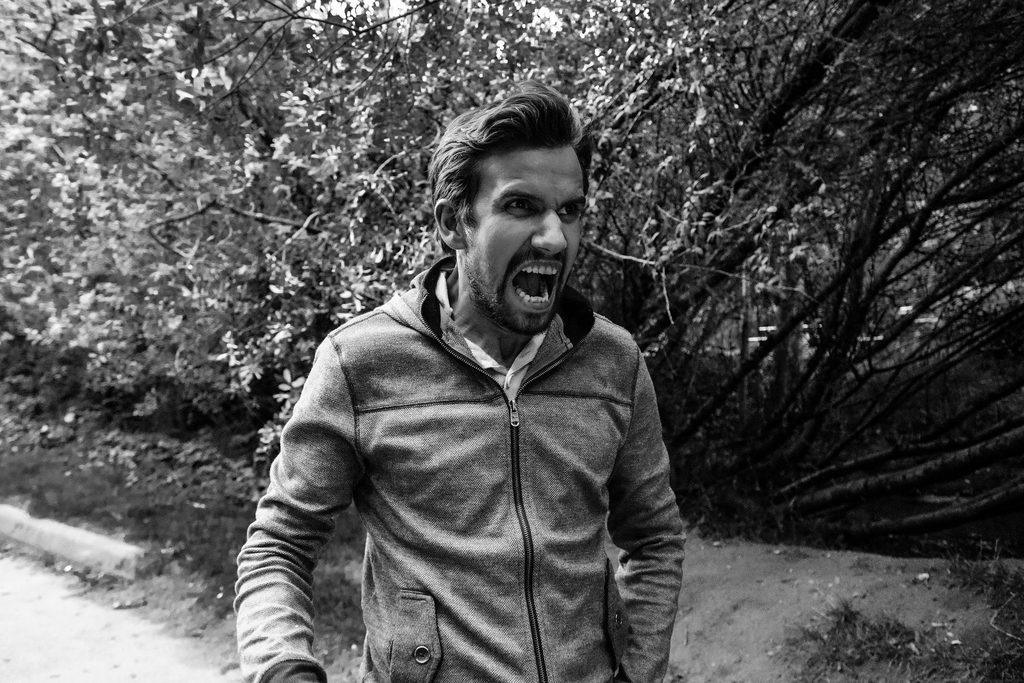
Fight is confrontation: anger, defensiveness, pushing back.
Flight is escape: leaving, avoiding, staying too busy to feel it.
Freeze is stillness: going numb, shutting down, waiting for it to pass.
Fawn is appeasement: managing the other person’s feelings, agreeing, making yourself easy to be around so the threat recedes.
None of these is chosen. Your nervous system picks in a fraction of a second based on what has worked before. If fighting or fleeing wasn’t safe or possible, as is often the case for a child, or for anyone in a situation they can’t leave, freeze and fawn become the defaults, and they stay default long after the original situation ends.
Why Freeze Is Often Misunderstood
Many of us were taught that we should push through, stay productive, “snap out of it.” So when freeze shows up, it can feel like failure, weakness, or even depression.
But freeze is not a choice. It’s a protective response when fight or flight don’t feel possible or safe. It’s your nervous system hitting pause to survive the overwhelm.
In trauma therapy, we don’t shame or try to force you out of this state. We learn to work with it, gently and safely, so your body starts to trust that it doesn’t need to shut down anymore.
Why It Happens at the Worst Times
It’s a cruel feature of freeze that it shows up precisely when you most need to be able to act: the difficult conversation, the confrontation, the moment you needed to advocate for yourself.
That isn’t random. The response is triggered by threat, and those are the threatening moments. The more it matters, the more your system registers danger, and the more likely it is to do the thing it learned to do.
It also compounds. Freezing in a moment that mattered tends to produce shame, and the anticipation of freezing again becomes its own threat. Now you’re bracing before the conversation even starts.
What Helps in the Moment
None of these resolves the underlying pattern. They can help you come back faster.
Move something small. Wiggle your toes, press your feet down, squeeze and release your hands. Freeze is a stillness state, and small deliberate movement signals that movement is possible.
Get cold or textured input. Cold water on your wrists, or holding something with a distinct texture. Sharp sensory input can interrupt the numbness.
Name it to yourself. “I’m shutting down right now.” Naming a state engages a different part of your brain than being inside it.
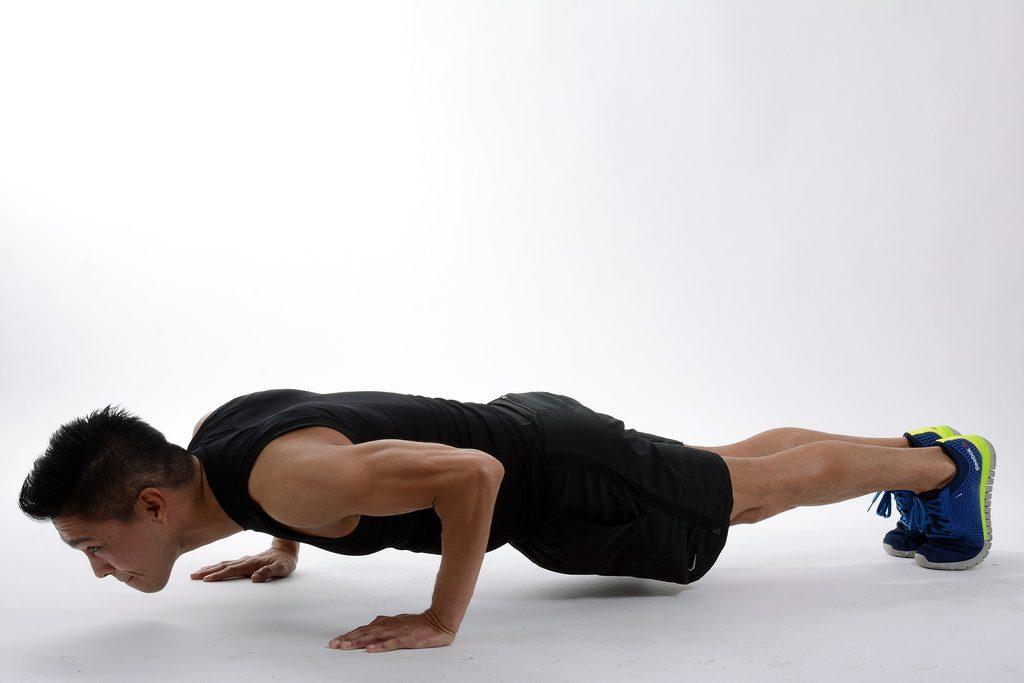
Push against something. A wall, the floor, your own hands. Resistance gives your body a sense of its own strength.
Give yourself an exit line. “I need a minute” or “let me come back to this.” Having a rehearsed sentence means you don’t have to generate one while frozen.
How Therapy Can Help with Freeze
Healing from trauma especially when freeze is involved is not about “trying harder.” It’s about creating safety in the body, one step at a time.
In therapy, we can:
- Build awareness of how trauma shows up in your body
- Gently reconnect with sensations and emotions, at your pace
- Develop tools to regulate your nervous system and reduce shutdown
- Explore past experiences without re-traumatizing
- Shift from survival mode into connection and vitality
This work is slow. That’s not a flaw it’s part of the healing.
Frequently Asked Questions
They overlap. Freeze is the broader nervous system state; dissociation is one way it can show up, where you feel detached from your body, your surroundings, or yourself. Some people experience freeze mainly in the body, others mainly as a mental disconnect.
Because the response isn’t evaluating your actual circumstances, it’s pattern-matching against what it learned. A raised voice, a certain expression, a particular tone can all register as the earlier threat, and the response fires before conscious thought is involved.
Not necessarily. Everyone freezes sometimes. It’s more worth paying attention to if it happens often, in situations that aren’t objectively threatening, or if it’s interfering with your relationships or work.
Because by then the threat response has stood down and the parts of your brain responsible for language and reasoning are back online. It wasn’t available to you in the moment. That delay is the mechanism, not a personal failing.
Yes, though usually gradually. The work involves building enough safety that your nervous system stops needing the shutdown, plus recognizing the state early enough to intervene. It tends to be slow, which is frustrating but not a sign it isn’t working.
You Don’t Have to Push Through Alone
If the freeze response is part of your trauma experience, I want you to know that it makes sense. There is nothing wrong with you and therapy can help you find your way forward, safely and gently.
I offer online therapy across most of the United States. If you’re ready to begin, or just want to ask questions, I invite you to reach out.
This article is for general information and isn’t a substitute for individual psychological or medical care. Reading it doesn’t create a therapist-client relationship. If you’re in crisis, call or text 988.